English| EUR
Suggested for you
More currencies
Choose a language
Tokashiki's snorkel boat tours launch from Aharen and Tokashiku beaches between April and October, targeting outer reefs inaccessible from shore. Most operators require advance booking and coordinate departures with the Naha ferry schedule. This guide covers tour timing, marine reserve logistics, and the coordination required to build a working tokashiki island boat snorkel plan.
Quick answer
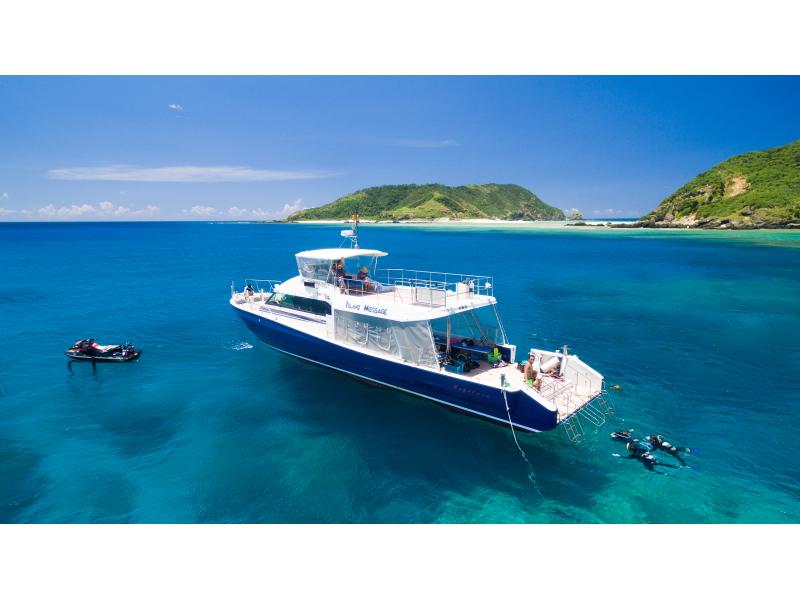
Boat snorkel tours on Tokashiki Island operate daily from 09:00 to 17:00, with most half-day trips departing between 10:00 and 14:00 to align with the Naha ferry arrival at Tokashiki Port around 09:35. Tours last two to three hours and visit outer coral sites in the Kerama Islands National Park marine reserve, where visibility regularly exceeds 30 meters and sea turtle sightings are common year-round.
Tokashiki sits within the Kerama Islands National Park, a federally protected marine zone where boat access unlocks snorkeling sites that shore entry cannot reach. The outer reefs hold stable coral formations, pelagic fish schools, and resident green sea turtles, but they lie one to three kilometers offshore in open water where currents shift hourly and surface conditions change faster than coastal zones. A functional tokashiki island boat snorkel plan begins with the Naha ferry schedule, not the tour operator's posted hours. The Tomarin Port ferry reaches Tokashiki around 09:35 on most departures, and the majority of boat tours launch between 10:00 and 14:00 to capture arriving visitors during the optimal light window. Operators based at Aharen Beach on the island's west coast offer the shortest transit to the prime coral sites, while Tokashiku Beach tours access northern reef walls with deeper drop-offs and larger marine fauna. Both zones fall under the same environmental conservation tax of 100 JPY per person, collected locally and separate from tour fees. Visibility in the Kerama Blue waters averages 25 to 40 meters during calm conditions, a function of the Kuroshio Current's nutrient-poor clarity and the archipelago's distance from sediment sources. Morning departures align with lower surface chop and the best underwater light penetration, while midday tours contend with stronger sun but also peak water temperatures in the 26 to 29 degree Celsius range during summer months. Most operators provide mask, snorkel, fins, and wetsuit or rash guard as part of the tour package, though prescription mask availability varies and should be confirmed when booking. Reef etiquette in the national park is enforced through briefings before departure: no standing on coral, no touching marine life, and no removal of shells or organisms. Guides monitor buoyancy and positioning throughout the session, particularly around the turtle cleaning stations where animals surface predictably. Weather cancellations occur without warning when swells exceed one meter or wind speeds top 10 meters per second, and refund policies differ across operators, making flexible travel dates a practical safeguard when building a snorkel-dependent itinerary around Tokashiki's boat tour logistics.
“The outer reefs hold stable coral formations and resident green sea turtles, but they lie in open water where currents shift hourly and surface conditions change faster than coastal zones.”
The best time to visit for boat snorkeling is within the 09:00–14:00 arrival window to ensure ideal water clarity and coordination with scheduled boat departures. Planning your visit during the shoulder seasons provides a balance of favorable water temperatures and reduced visitor density.
Warm, 24°C–28°C; rainy season transition.
Expect consistent boat availability before the peak summer heat and school holiday crowds begin.
Hot, 28°C–32°C; potential typhoon risk.
These months offer the warmest water, though weather monitoring is necessary due to typhoon patterns.
Mild, 22°C–26°C; pleasant trade winds.
Visibility remains high and sea conditions are often calm, making this a prime period for snorkel excursions.
—
Arriving early optimizes visibility and provides the most flexibility for joining local boat snorkel plans.
Verdict: For optimal conditions, plan your trip for weekday mornings during May, June, October, or November.
Reaching the prime snorkel sites around Tokashiki requires coordinating island arrival with local boat operator schedules. The full sequence—from port to open water—takes 90 minutes to two hours depending on registration queues and departure slots.
Disembark from the Naha–Tokashiki ferry and head to the visitor information desk inside the terminal building. Collect a map showing registered boat operators and confirm which beaches host departure points that day.
Walk or shuttle to Aharen Beach or Tokashima Beach, where licensed operators maintain booking kiosks near the waterline. Reserve your departure time in person—most operators accept walk-ins during shoulder season but fill quickly on weekends between June and September.
Provide your name and emergency contact details on the operator's roster, then receive a numbered wristband or boarding tag. Operators verify swimming ability verbally; no certification is required for guided shallow-reef tours.
Gather at the marked staging area 15 minutes before your assigned slot. The crew will demonstrate mask clearing, buoyancy control signals, and the boundaries of your designated snorkel zone.
Wade to the boat or board from a low pier depending on tide height. The ride to outer reefs near Takara Island or Hanari Island lasts 10 to 20 minutes; crew distribute life vests and additional fins if your own gear is incomplete.
Tokashiki Island is located in the Kerama Islands group, accessible primarily via ferry services departing from Naha's Tomari Port (Tomarin). Travelers should coordinate their ferry transit with local boat tour departure times to ensure a smooth transition to the snorkeling area.
Ferry Tokashiki (High-speed ferry) from Tomari Port to Tokashiki Port
Ferry Kerama (Car ferry) from Tomari Port to Tokashiki Port
Village bus from Tokashiki Port to Aharen Beach
Upon arrival at Tokashiki Port, utilize the village bus or pre-arranged transport to reach the Aharen area, as this is where most boat snorkel plans initiate.
The Tokashiki Island boat snorkel plan operates daily to accommodate visitors planning their island excursions.
Prepare these essentials before heading to Tokashiki Island for a boat snorkel tour.
Everything you need to know about tokashiki island boat snorkel plan
A boat snorkel plan generally provides transit to offshore reefs, snorkeling equipment, and professional guidance in the water. These excursions focus on accessing clear, deep-water coral sites that are not reachable from the beach.
Booking in advance is highly recommended to ensure availability, especially during the peak summer months of August. You can use the booking widget on this site to secure your spot for a local snorkeling excursion.
The best arrival window for your boat snorkeling trip is between 09:00 and 14:00. Arriving during this period ensures optimal lighting for underwater visibility and aligns perfectly with standard marine tour schedules.
Most boat snorkel plans accommodate children, provided they are comfortable in the water and wear appropriate safety gear. It is best to check specific age requirements with the operator before confirming your reservation.
Yes, all visitors must pay a 100 JPY environmental conservation tax per person, which is collected locally. This fee is separate from the cost of your snorkeling plan and supports the preservation of the local coral reefs.
You should bring swimwear, a towel, sunscreen, and a change of clothes. The boat operator will typically provide fins, a mask, and a life jacket, but confirming these inclusions ensures you are fully prepared for the day.