Coral Gardens
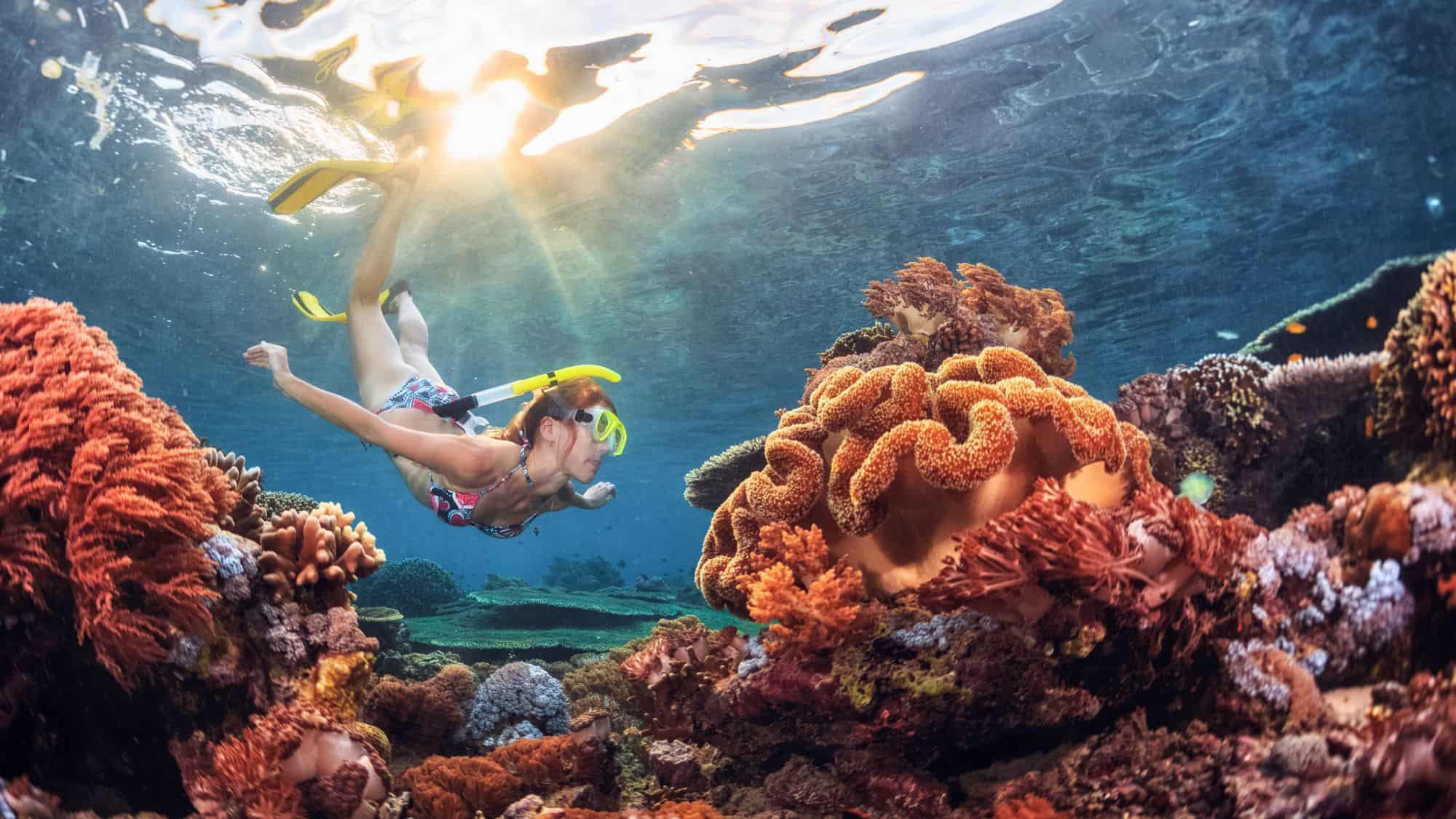
Shallow areas near the shore host vibrant colonies of branching and table corals. Look for schools of damselfish and butterflyfish darting between the structures.
Snorkel at high tide to avoid touching the shallow coral tips.
Tokashiki Island sits in the Kerama Islands National Park, 32 kilometers west of Okinawa's main island, where the Pacific meets the East China Sea over a shallow coral shelf. The water here is transparent enough that underwater visibility regularly exceeds 30 meters, and the reefs run close to shore at Aharen and Tokashiku beaches. This guide covers where to enter, what lives beneath the surface, and how to time your visit to the conditions that matter.
Quick answer
Kerama Tokashiki Island snorkeling is accessible year-round from Aharen Beach, with free entry and no permits required. The reef begins 20 meters from shore in water shallow enough to stand, and green sea turtles feed on the seagrass beds between April and October. Visibility peaks between May and September when the Kuroshio Current pushes warm, clear water into the Kerama archipelago, though the reef remains diveable in all months outside of typhoon warnings.
The coral plateau that surrounds Tokashiki Island drops from three meters to 25 meters over a span of less than 100 meters, creating a tiered reef system that supports more than 200 species of hard and soft coral. The Kerama blue—a term coined by divers in the 1970s to describe the specific refraction of light through low-plankton water—comes from the oligotrophic conditions of the open Pacific, which starve algae but allow polyps to thrive. Snorkelers in the shallows see table corals, brain corals, and branching staghorn formations that survived the 2016 bleaching event because the Kerama Islands lie in a cooler upwelling zone. Aharen Beach, located on the island's southwest coast at the address Aharen, Tokashiki-son, Shimajiri-gun, serves as the primary access point for reef snorkeling. The beach operates daily from 09:00 to 18:00, with lifeguard supervision covering the swim zone marked by yellow buoys. Entry is free, and the sand slopes gradually into the water, eliminating the need for boat transport. Sea turtles nest on Tokashiku Beach to the north, and juveniles migrate to Aharen's seagrass flats after hatching, making turtle encounters common between late spring and early autumn. The animals are habituated to snorkelers but remain wild—approach quietly and maintain a two-meter distance. The reef structure changes with the tide. Low tide exposes the inner plateau and concentrates fish in the channels between coral heads, while high tide opens access to the outer drop-off where larger species patrol. Most snorkelers enter during the incoming tide, when water clarity improves and the current pushes gently toward shore. The seabed is a mix of sand, coral rubble, and living formations, so reef-safe footwear prevents cuts from fire coral and urchin spines. Water temperature ranges from 21°C in February to 29°C in August, and a shorty wetsuit or rash guard suffices for thermal protection in summer. Kerama tokashiki island snorkeling does not require advance reservations or guided groups, though rental shops near the ferry terminal in Tokashiki village offer mask-and-fin sets for approximately 1,500 yen per day. The island enforces strict marine-protection rules under the national park designation: no coral collection, no fish feeding, and no sunscreen containing oxybenzone or octinoxate. Snorkelers who time their visit to the morning window benefit from glassy surface conditions before the afternoon wind picks up, and the light angle between 09:00 and 11:00 illuminates the reef without glare.
“The coral plateau drops from three meters to 25 meters in less than 100 meters, creating a tiered reef visible from the surface.”
The best arrival window for snorkeling on Tokashiki Island is 09:00–15:00. This period ensures optimal water visibility and lifeguard supervision while aligning with daily ferry departure schedules.
20°C to 25°C. Water begins warming.
Comfortable temperatures and lower humidity levels make this period ideal for snorkeling.
26°C to 30°C. High water temperatures.
Expect peak water clarity and warm conditions, though August coincides with peak regional travel.
24°C to 28°C. Cooling water temperatures.
Sea conditions remain calm with significantly fewer visitors than the peak summer months.
—
Arriving early minimizes time spent in transit and secures better beach access before afternoon ferry departures.
Verdict: The most effective time to visit is on a weekday between 09:00 and 15:00 during the months of April, May, September, or October.
The snorkeling areas at Tokashiki Island are open daily to accommodate visitors. Regular operations are maintained throughout the week.
Tokashiki Island is accessible from Naha on Okinawa Main Island via ferry services arriving at Tokashiki Port. From the port, visitors typically take local buses or taxis to reach the snorkeling areas at Aharen Beach.
Tomari Port (Naha) to Tokashiki Port (Ferry Tokashiki)
Tokashiki Port to Aharen Beach (Village Bus)
Tokashiki Port to Aharen Beach
The best arrival window is 09:00–15:00 to ensure optimal visibility and lifeguard supervision before late afternoon ferry departures.
Navigate the waters of Tokashiki Island with these practical strategies for safety, gear management, and marine conservation.
Check with local beach staff regarding daily current strength before entering the water, as conditions change rapidly. Use a surface marker buoy if you plan to snorkel further from the shore to ensure visibility to boat traffic.
Wear a long-sleeved rash guard and leggings instead of sunscreen to protect your skin and prevent chemical damage to the coral reef. Ensure your mask fits snugly by clearing hair away from the silicone seal to prevent leaking.
Maintain a neutral buoyancy to avoid contact with the sea floor or coral structures, which are fragile and easily damaged. Observe sea turtles from a distance rather than pursuing them, as following them causes stress and alters their natural feeding behavior.
Carry a reusable water bottle to the beach, as the combination of sun and saltwater exposure leads to rapid dehydration. Fill your bottle before arriving at the coast to remain self-sufficient during your time on the sand.
Use a dry bag for electronics and travel documents, as lockers may be limited during peak visitor periods. Keep valuables at your accommodation whenever possible to avoid exposure to sand and moisture.
The snorkeling environment at Aharen Beach features diverse coral structures and active marine life within the Kerama Blue waters. The following zones offer distinct opportunities for observing the local ecosystem.
Shallow areas near the shore host vibrant colonies of branching and table corals. Look for schools of damselfish and butterflyfish darting between the structures.
Snorkel at high tide to avoid touching the shallow coral tips.
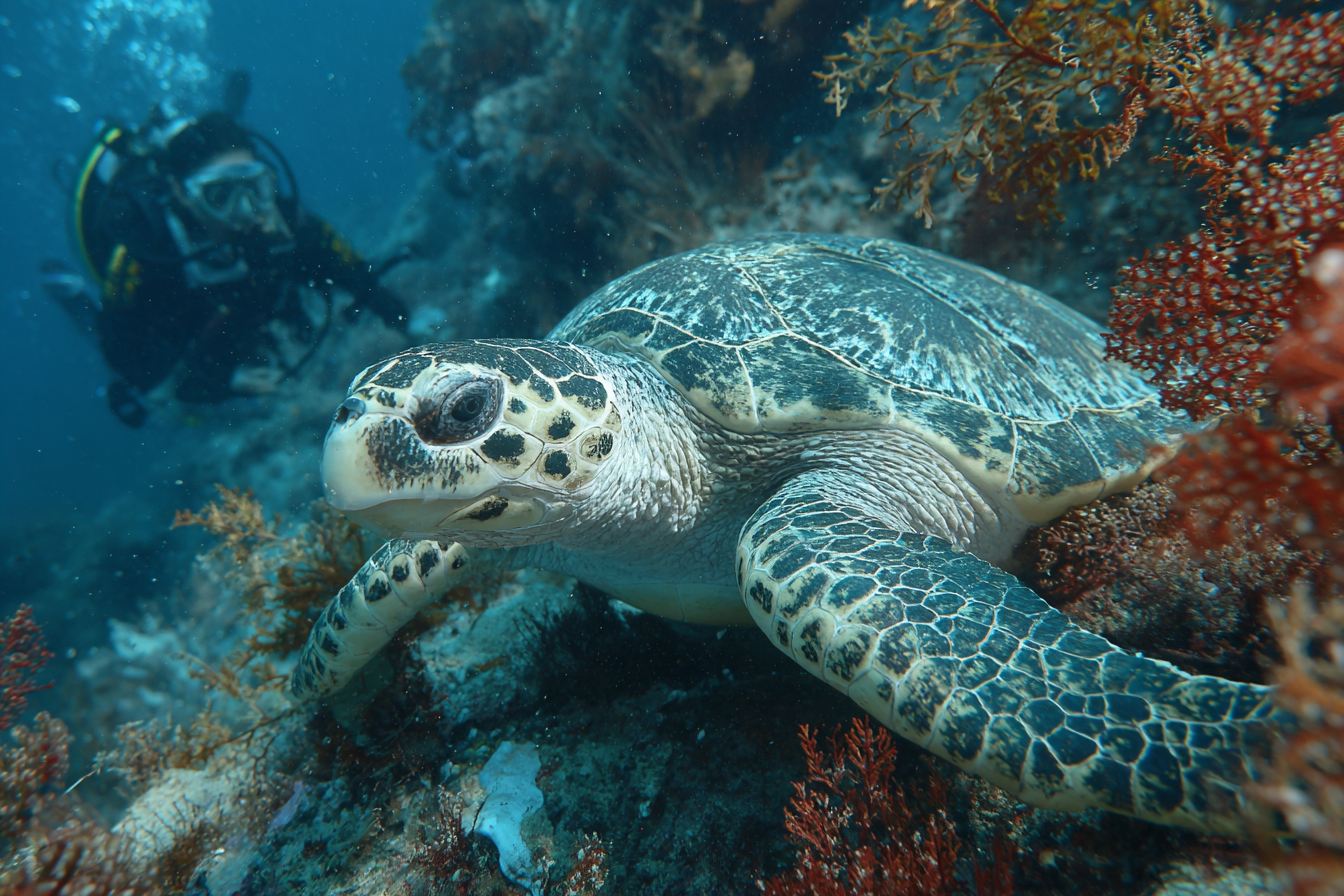
Located a short boat ride from the main beach, this area features deeper water and larger coral formations. Sea turtles are frequently observed resting or feeding in these patches.
Use a boat tour to reach these deeper, clearer waters.
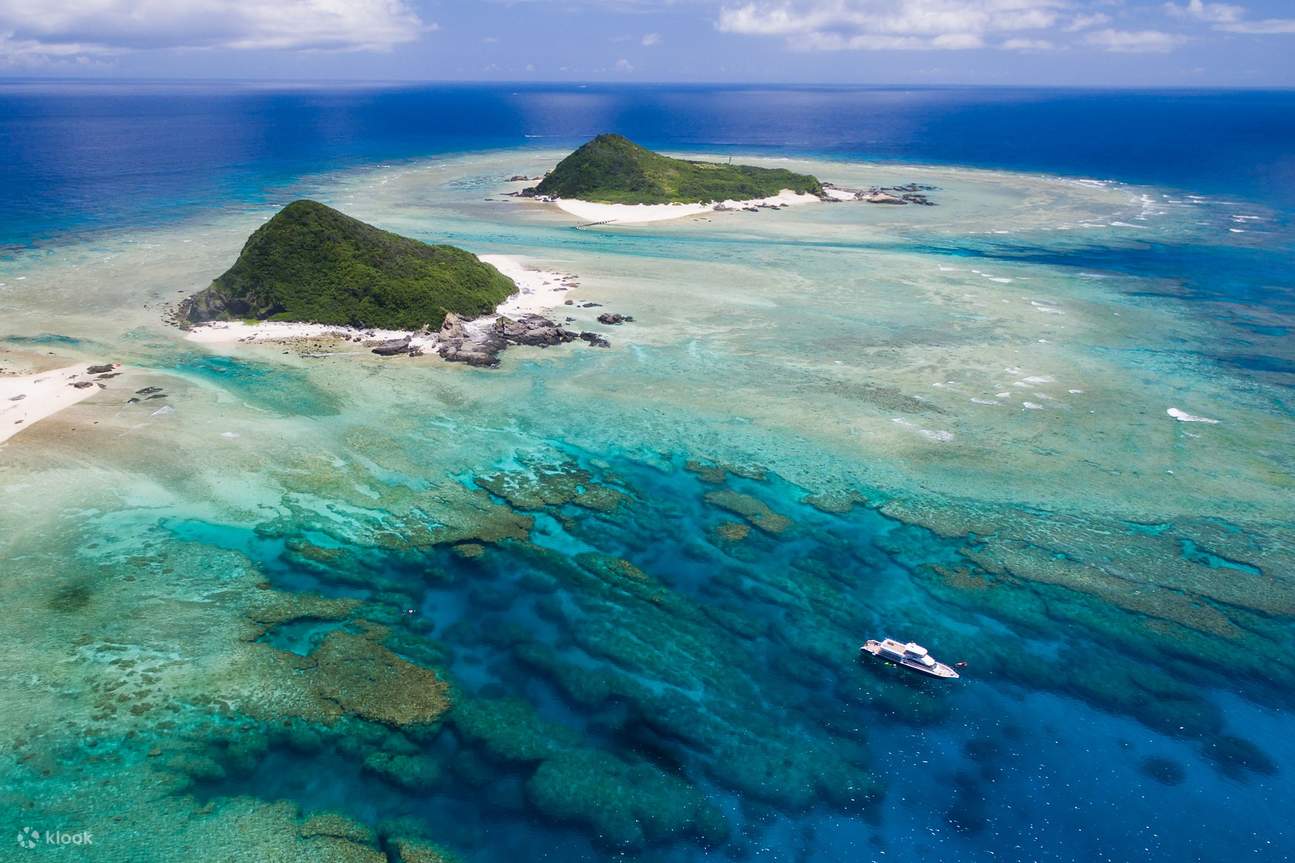
This prominent rock formation creates a sheltered environment that attracts diverse reef fish. The surrounding sandy patches provide contrast for spotting camouflaged marine life.
Swim around the base during calm conditions for better visibility.
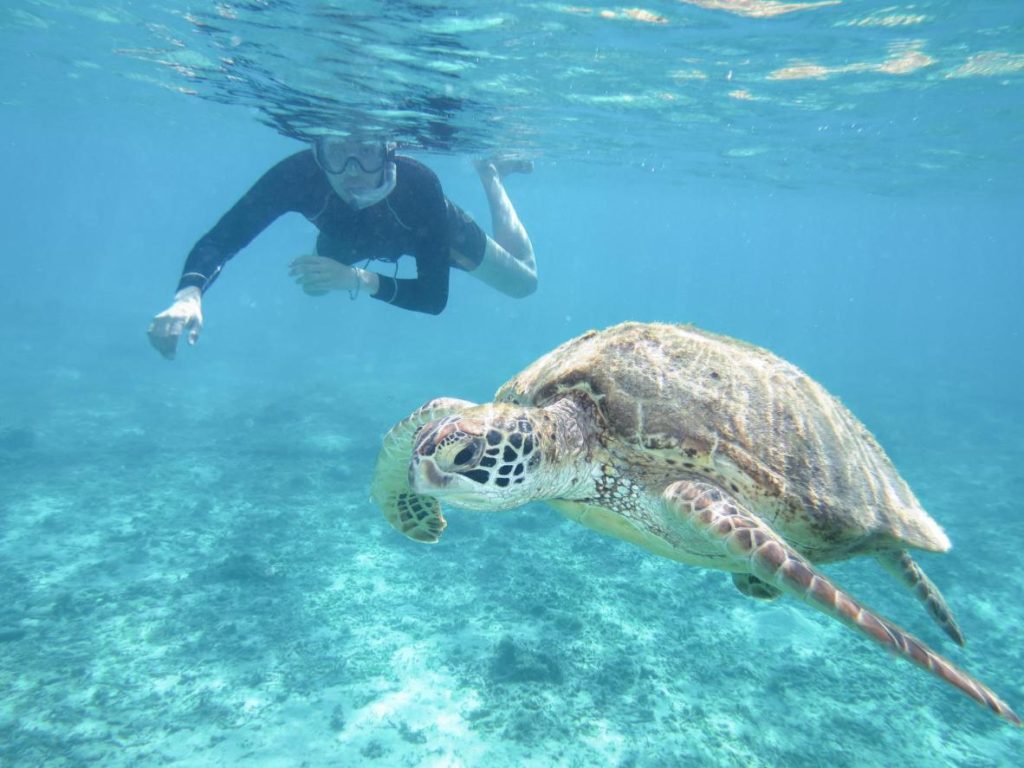
The transition zone where the shallow shelf drops into deeper water contains high concentrations of aquatic activity. Watch for reef sharks or eagle rays passing along the edge.
Stay alert for changes in water depth and current.
Everything you need to know about kerama tokashiki island snorkeling
Yes, many areas are shallow and clear, making kerama tokashiki island snorkeling accessible for those with basic swimming skills. Always prioritize calm weather conditions when planning your trip to ensure safety.
The optimal arrival window for kerama tokashiki island snorkeling is between 09:00 and 15:00 to catch the best visibility. This timeframe also ensures you have professional lifeguard supervision before afternoon ferry departures.
Access to the beach is free, with an entrance fee of 0 JPY for all visitors. You can enjoy the coastal beauty without worrying about admission costs.
Visitors typically reach snorkeling spots via local ferry services from Okinawa. Once on the island, you can easily access the primary beach areas by bus or taxi for your kerama tokashiki island snorkeling adventure.
While independent exploration is possible, many visitors choose to rent gear from local shops near the coast. These shops provide all necessary marine equipment for those participating in kerama tokashiki island snorkeling.
Bring essentials such as high-SPF sunscreen, a rash guard, a hat, and plenty of water for hydration. Keep in mind that environmental regulations exist to protect the coral reefs found throughout this national park area.
Lifeguards are on duty at designated beach areas within the established hours of 09:00 to 18:00 daily. It is recommended to remain within the marked swimming zones to ensure your safety while observing sea turtles and reef fish.