
English| EUR
Suggested for you
More currencies
Choose a language
Tokashiki Island's two main beaches host several rental counters offering masks, fins, snorkels, and wetsuits by the hour or full day. Shops open at 09:00 daily and operate from beach-front kiosks within walking distance of the ferry terminal. This page covers what's available, where to find it, and the conduct rules enforced at Aharen and Tokashiku.
Quick answer
Snorkel gear is available for rent at Aharen Beach and Tokashiku Beach from multiple operators open 09:00–16:00 daily. A mask-snorkel-fin set typically costs 1,500–2,000 JPY for a full day or 800–1,200 JPY per hour. Wetsuits, life vests, and underwater cameras are offered as add-ons. Payment is cash-preferred at most kiosks, and deposit requirements vary by shop.
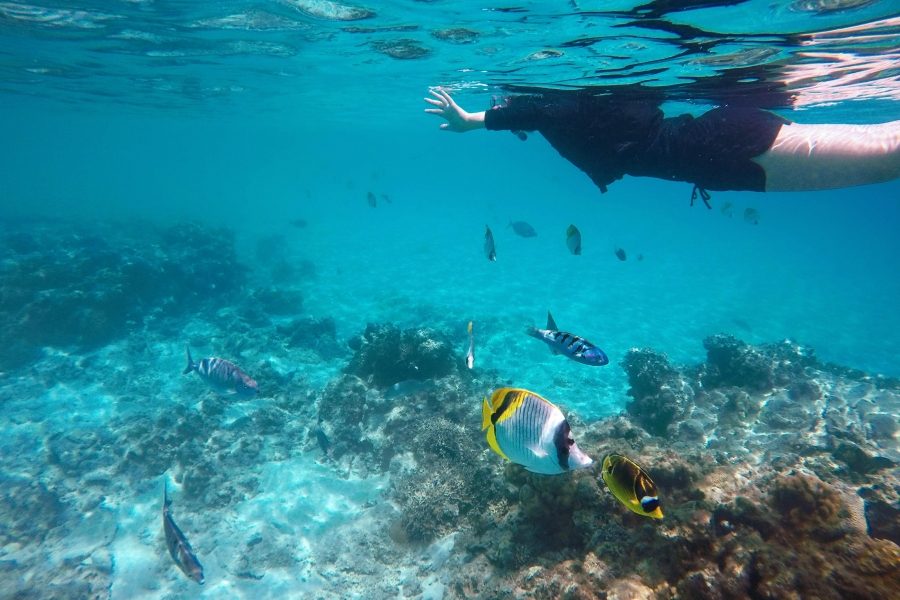
Tokashiki Island records some of the highest water-clarity readings in the Kerama archipelago, with visibility routinely exceeding thirty meters during calm-weather months. That clarity draws snorkelers year-round, and the island's two primary beaches have responded with a small but well-supplied rental infrastructure. Aharen Beach, the busier of the two, hosts four permanent rental kiosks clustered near the public toilets and shower block; Tokashiku Beach operates two seasonal counters that set up each morning near the lifeguard tower. All shops stock Japanese-manufactured masks with tempered-glass lenses, adjustable silicone fins, and dry-top snorkels that meet national safety standards. Rental inventory is sized for adult and child frames, and most operators keep prescription-lens masks in limited stock for myopic swimmers. Wetsuit availability fluctuates with season—full three-millimeter suits appear in November and remain through April, while spring and summer inventory shifts toward shorty suits and rash guards. Life vests are included at no additional charge for children under twelve and available on request for adults. A valid form of identification is held as collateral during the rental period, and equipment is inspected for damage upon return. Shops enforce a no-tolerance policy for lost fins, with replacement fees posted in Japanese and English at each counter. Beach conduct rules at both sites prohibit feeding marine life, touching coral formations, and swimming beyond the buoyed safety perimeter. Tokashiki Village authorities patrol weekends and peak ferry-arrival windows, issuing verbal warnings for first infractions and written citations for repeat violations. Rental operators are required to brief customers on these restrictions before handing over gear, and most kiosks display laminated rule cards in four languages. The village website maintains an updated list of restricted zones, which shift slightly each season to protect nesting sites and juvenile fish habitats. Gear quality varies by operator, and the newest kiosk—opened in early 2025 near Aharen's eastern access path—stocks recent-model equipment with anti-fog coating and quick-adjust buckles. Older kiosks still rely on previous-generation gear that functions reliably but shows cosmetic wear. Tokashiki island snorkeling rental demand peaks between the 10:00 and 11:30 ferry arrivals, and walk-up availability tightens during that window on weekends and national holidays. Advance reservation is not standard practice, but phone inquiries on the morning of your visit can confirm stock levels. Most operators speak functional English and maintain price sheets in multiple languages, though negotiation is uncommon and posted rates are fixed. Underwater visibility from June through September benefits from stable southern currents that flush the bays daily. October through December brings occasional plankton blooms that reduce clarity for short windows, while January through March offers cold but glass-calm conditions favored by photographers. Rental counters at both beaches open simultaneously at 09:00, and early arrival secures first pick of sizing and accessory inventory. Return deadlines are enforced at 16:00 to allow staff time for cleaning and minor repairs before the following day.
“Tokashiki Island records some of the highest water-clarity readings in the Kerama archipelago, with visibility routinely exceeding thirty meters during calm-weather months.”
Access to the beach on Tokashiki Island is free of charge. Snorkeling equipment is available for rent through local shops, with costs varying based on the items selected.
Verdict: A typical adult pays 2,000 JPY for a full snorkeling set, though costs vary if items are rented individually.
Rental shops on Tokashiki Island maintain a consistent schedule throughout the week to accommodate visitors. All locations operate daily during the snorkeling season.
The best arrival window for snorkeling gear rentals is 09:00–11:00. Arriving during this period ensures optimal water clarity and allows visitors to secure equipment before the midday peak of tourist ferry arrivals.
Warm, 23°C to 28°C
Mild temperatures offer comfortable conditions before the summer humidity increases.
Hot, 28°C to 32°C
Expect large crowds and high UV index during peak summer vacation season.
Warm, 25°C to 30°C
Water remains warm and crowd levels decrease as the typhoon season concludes.
—
Arriving early on weekdays minimizes wait times at rental shops and congestion on the beach.
Verdict: The best slot for snorkeling is between 09:00–11:00 on weekdays during the months of April or October.
Tokashiki's reefs are protected marine habitats, and rental operators enforce strict environmental and safety protocols. Follow beach rules to preserve the ecosystem and ensure safe snorkeling conditions for all visitors.
Bring these essentials to complement your rented snorkeling gear and ensure a comfortable visit.
Everything you need to know about tokashiki island snorkeling rental
You can find local shops near the shoreline that offer tokashiki island snorkeling rental services for masks, snorkels, and fins. These providers operate directly on the beach to ensure you have quick access to the crystal clear water.
The beach itself has an entrance fee of 0 JPY. While entry is free, please note that individual snorkeling gear rental fees apply per item.
The best arrival window is 09:00–11:00. Arriving during these morning hours offers the best water clarity and helps you avoid the midday peak of tourist ferry arrivals.
Most shops maintain consistent hours from 09:00 to 16:00, seven days a week. It is recommended to plan your underwater exploration within these windows to ensure you can return your equipment on time.
Yes, visitors should prioritize ocean safety by wearing a life vest and staying within designated swimming zones. Avoid touching coral reefs or marine life to protect the fragile ecosystem of this Okinawa destination.
Yes, rental shops typically provide gear for various ages, including child-sized life jackets and masks. Always verify the fit of the equipment with shop staff before heading out to the shallow reefs.
Yes, convenience is a highlight of the local facilities, as you can easily secure your tokashiki island snorkeling rental at the beach. This proximity allows you to maximize your time observing sea turtles and colorful reef fish.
While walk-ins are often accommodated, booking your tokashiki island snorkeling rental in advance can ensure availability during high-traffic summer dates. Check local shop listings or official village information to confirm their current inventory.