
7 hr
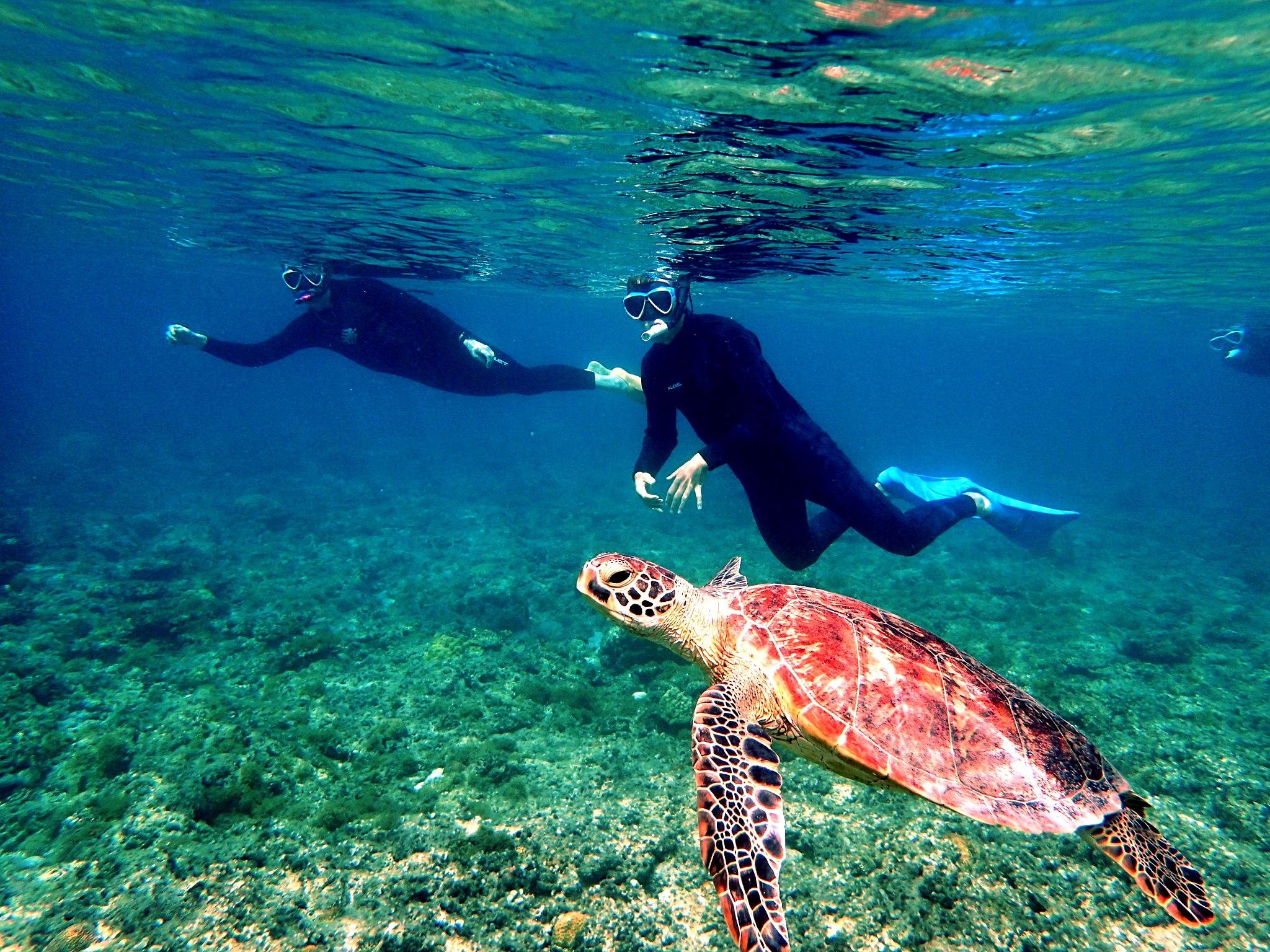
Kerama Islands Snorkeling Adventure from Naha
Seven-hour marine expedition exploring pristine coral reefs and searching for sea turtles across multiple snorkeling sites
Reserve
Hand-picked by our editors — only the best 5 experiences from 12 reviewed.
Verified partners for every tour, free cancellation where available, and instant confirmation on every booking.
7 hr
Seven-hour marine expedition exploring pristine coral reefs and searching for sea turtles across multiple snorkeling sites
Reserve
9 hr
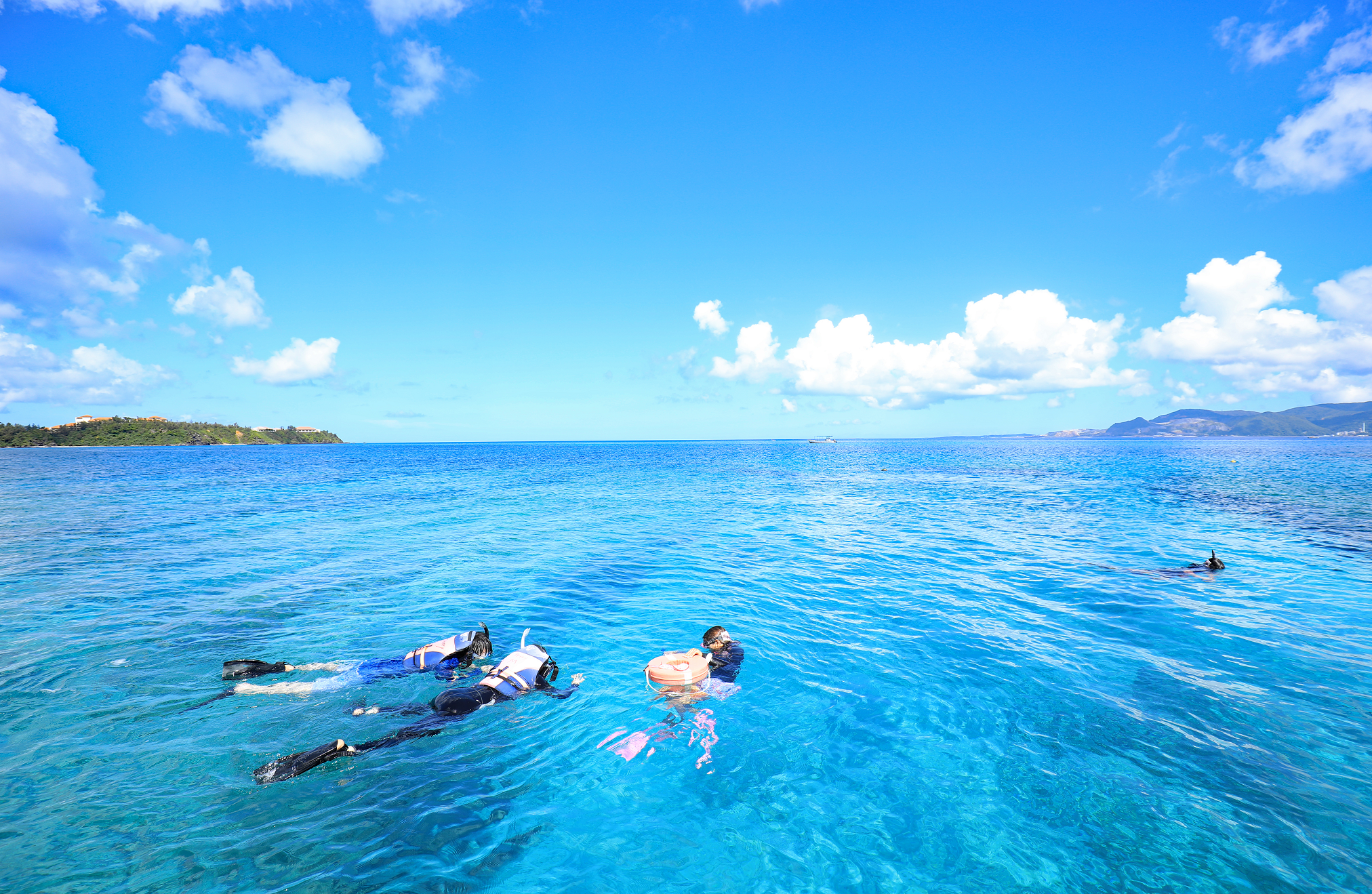
Dive into Okinawa's pristine marine sanctuary, swim alongside tropical fish and sea turtles, and explore two breathtaking coral sites.
Reserve
9 hr 30 min
All-inclusive day trip to pristine Kerama beaches with boat transfer, lunch, and optional turtle snorkeling
ReservePrices from verified partners. Availability updates in real time at checkout. Free cancellation policies apply where shown.
The landmarks, rooms, and views travelers on this tour remember — all visible on a single visit.
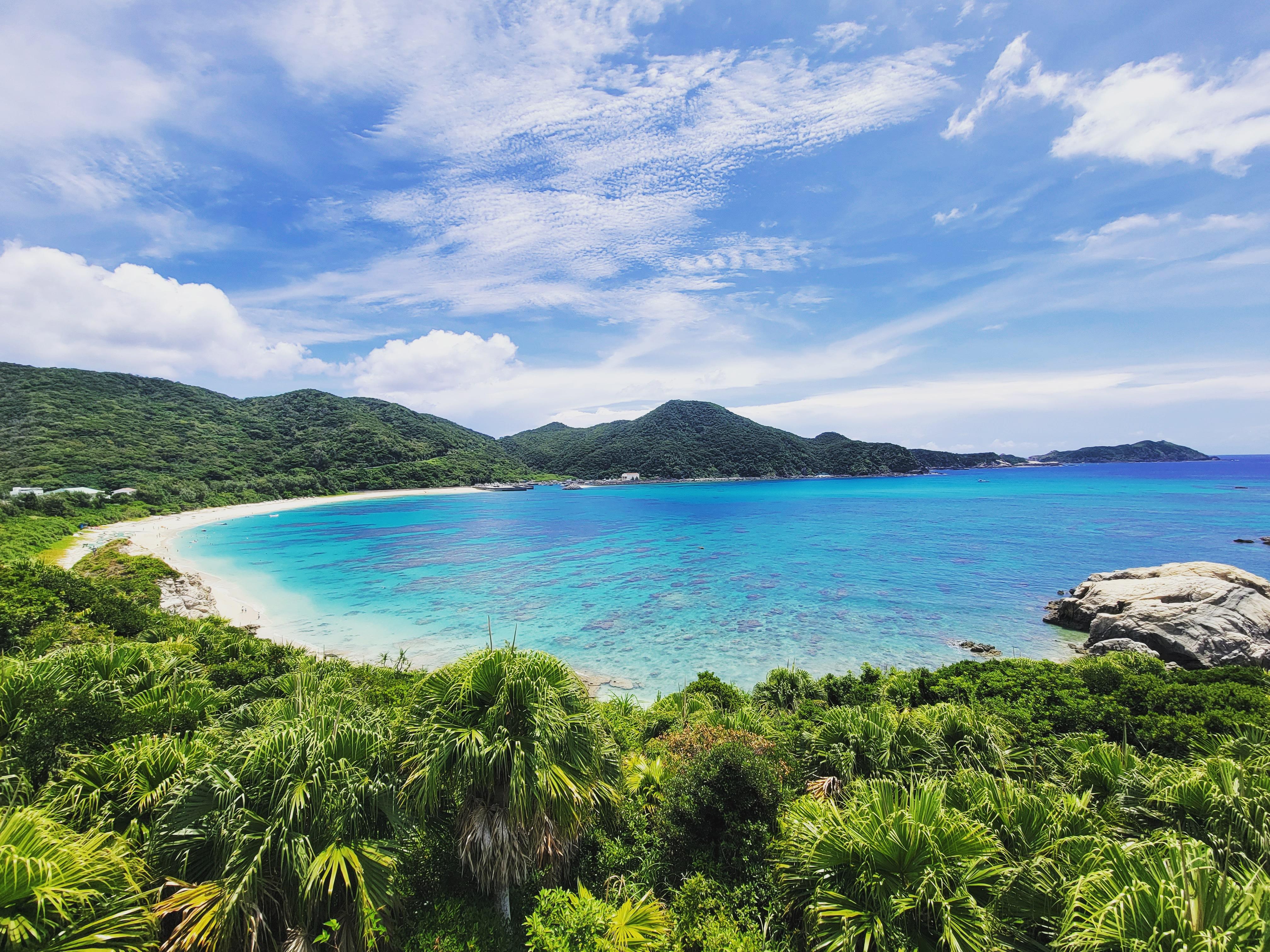
The premier spot for shore-based entry and vibrant coral exploration in clear water.
Known as a sanctuary for sea turtles, these shallow waters provide excellent snorkeling and diving opportunities.
The world-class clarity of the surrounding ocean defines the experience for every diver.
A high vantage point offering sweeping panoramic views of the entire island and surrounding reef systems.
The primary entry point where visitor facilities, local information, and transport connections are located.
Tokashiki Island diving offers deeper immersion into a single marine ecosystem, whereas multi-island tours prioritize variety across the Kerama archipelago. These approaches complement each other; most visitors who prioritize coral health prefer the focused nature of tokashiki island diving tours.
| Feature | Top pick Tokashiki Island | Kerama Multi-Island Tours |
|---|---|---|
Diving Depth |
5–30 meters | 5–25 meters |
Accessibility |
Ferry access required | Direct from Naha by boat |
Underwater Terrain |
Varied reef walls | Sandy bottoms and coral clusters |
Island Atmosphere |
Quiet rural village | Busy port and harbor focus |
Transit Logistics |
Foot and local bus | Tour operator boat transfers |
Island Experience |
Requires tokashiki island diving tickets | Flexible with varied schedule |
| See tickets → |
Verdict: Select the dedicated tokashiki island diving tour for specialized marine exploration, or choose multi-island trips for broader regional visibility.
Choose your ticket, select your date, and reserve in under two minutes. Secure checkout handled by our verified partner.
Instant confirmation by email, with a mobile voucher you can save offline. No printing, no queuing at a collection desk.
Arrive at the entrance, show your voucher on your phone, and walk in. Most tickets include priority or skip-the-line access.
Practical details for your visit straight from our verified partners — hours, access, rules, and how to get there.
Wear swimwear, rash guards, or athletic clothing suitable for water exposure. Bring a light jacket or windbreaker for boat rides, as winds can be chilly even in summer.
Use waterproof bags for personal electronics and valuables on dive boats. Secure all belongings before boarding, as storage space on smaller vessels is limited.
Underwater photography is encouraged, and many dive operators provide complimentary digital photos as part of the package. Respect coral structures and do not touch marine life for the perfect shot.
While many boat operators assist with equipment, diving requires a base level of physical mobility for boat entries and exits. Those with respiratory or circulatory conditions must consult a physician beforehand.
Tokashiki island diving is suitable for ages 12 and up for most introductory courses. Always confirm minimum age requirements directly with your specific dive shop prior to booking.
Bring plenty of hydration and light snacks for your boat trip. Some all-inclusive day tours provide lunch, but confirm this in advance as availability varies by season.
Best time to go, insider tips, nearby landmarks, and the cancellation fine print — flip through to skim what matters to you.
Flexible, no hidden fees.
Operators typically enforce a 100% cancellation fee for same-day cancellations. Fees often scale, with 25–50% charges applied 1–2 days prior, though exceptions may apply for weather-related ferry cancellations.
The Kerama Islands were designated Japan's thirty-first national park in 2014, not for their beaches but for their coral. The archipelago twenty-two miles west of Naha shelters two hundred fifty recorded species of hard and soft coral, seventy of which are endemic to the Kerama group. The water here earned its own name — Kerama Blue — a term divers use to describe visibility exceeding one hundred feet on calm days. That clarity owes to the Kuroshio Current, which sweeps north past the islands and filters particulate matter offshore. The result is a dive environment where sunlight penetrates to depths of ninety feet, illuminating reef walls, overhangs, and canyons that drop beyond recreational limits. Tokashiki, the largest island in the group, anchors the national park's western sector. The island's coastline yields more than twenty catalogued dive sites, ranging from shallow coral gardens at fifteen feet to advanced drift dives along vertical walls. Ufugan, a site off the western coast, is known for its resident population of green sea turtles, which forage among table corals and can be observed at close range without disruption. Tokashiku Beach, on the island's northern shore, serves as a launch point for snorkeling and introductory diving excursions, where instructors guide first-time divers through buoyancy drills in sand channels before moving onto the reef. Manta rays frequent the channels between Tokashiki and neighboring Zamami Island during spring and autumn migrations, and dive operators schedule advanced trips to intercept feeding aggregations. The island's dive infrastructure expanded following the national park designation. Operators based in Tokashiki Village offer daily boat departures to outer reef sites, and most accept walk-in bookings for certified divers. Introductory diving programs follow PADI Discover Scuba protocols, combining shallow-water orientation with guided reef exploration. Tokashiki Island diving trips typically include two dives with a surface interval, and rental equipment is standardized across operators. Ferry service from Naha's Tomari Port runs twice daily, with crossing times of thirty-five minutes on the high-speed vessel and seventy minutes on the car ferry. The environmental support tax, collected with ferry tickets, funds reef monitoring and mooring buoy maintenance across the national park. Most dive sites lie within a fifteen-minute boat ride from Tokashiki's harbor, concentrating activity along the island's western and northern coasts where bathymetry creates the most diverse topography.
"The water here earned its own name — Kerama Blue — a term divers use to describe visibility exceeding one hundred feet on calm days."
A step-by-step walkthrough of the visit — what you'll see, how long each stage takes, and the details that matter.
You board the high-speed ferry at Tomari Port before nine, and by nine thirty-five the green ridgeline of Tokashiki rises from the horizon. At the harbor, your dive operator meets you with equipment bags already sorted by size. If you are joining an introductory dive, you spend the first thirty minutes in a sand channel off Tokashiku Beach, practicing regulator clearing and neutral buoyancy under an instructor's watch. Once you signal comfort, the group swims to the coral shelf where the bottom drops from twelve feet to thirty. Sea turtles glide past brain corals the size of washing machines, and you fin slowly to avoid disturbing the sediment. The instructor points to a moray eel nested in a crevice, its head tracking your movement without aggression. If you are certified, the boat takes you farther — a drift dive along Ufugan's western wall, where the reef descends in terraces and soft corals sway in the current. Sunlight filters through forty feet of water, illuminating schools of fusiliers that move as a single organism. You check your gauge at the safety stop, suspended fifteen feet below the surface, and watch the boat's shadow pass overhead. Back on deck, the crew serves cold barley tea and tangerines while the boat repositions for a second dive. By mid-afternoon you are back at the harbor, gear rinsed and stowed, with an hour to walk Aharen Beach before the return ferry departs at four.
Tokashiki island diving operations generally run between 00:00–23:59 daily, though specific boat schedules align with ferry arrivals between 09:00–16:00.
Yes, an environmental support tax of 100 JPY per person is collected with your ferry fare to support local conservation efforts.
The summer months of June through September offer the warmest waters and best visibility for your tokashiki island diving excursion.
Yes, many operators offer introductory sessions for those without a license, including full equipment rental and instructor guidance.
Access your tokashiki island diving tour by taking the ferry or Marine Liner from Tomari Port in Naha to Tokashiki Port.
Participation in tokashiki island diving typically requires guests to be between 12 and 59 years old, depending on the operator's safety policies.
No, diving is strictly prohibited on the same day as a flight due to decompression risks.
Most operators will waive cancellation fees for your tokashiki island diving booking if adverse weather prevents ferry operations.
Yes, it is highly recommended to book your tokashiki island diving tickets at least two months in advance, especially during the peak summer season.
Yes, turtles are frequently sighted in the Kerama Blue waters during a standard tokashiki island diving session.